As parents, we want our children to feel safe, secure, and comfortable while they sleep. However, sometimes toddlers can resist sleeping in their own beds and prefer to sleep with their parents. While co-sleeping can be a temporary solution, it's essential to help your child transition to sleeping in their own bed for their overall development and independence.
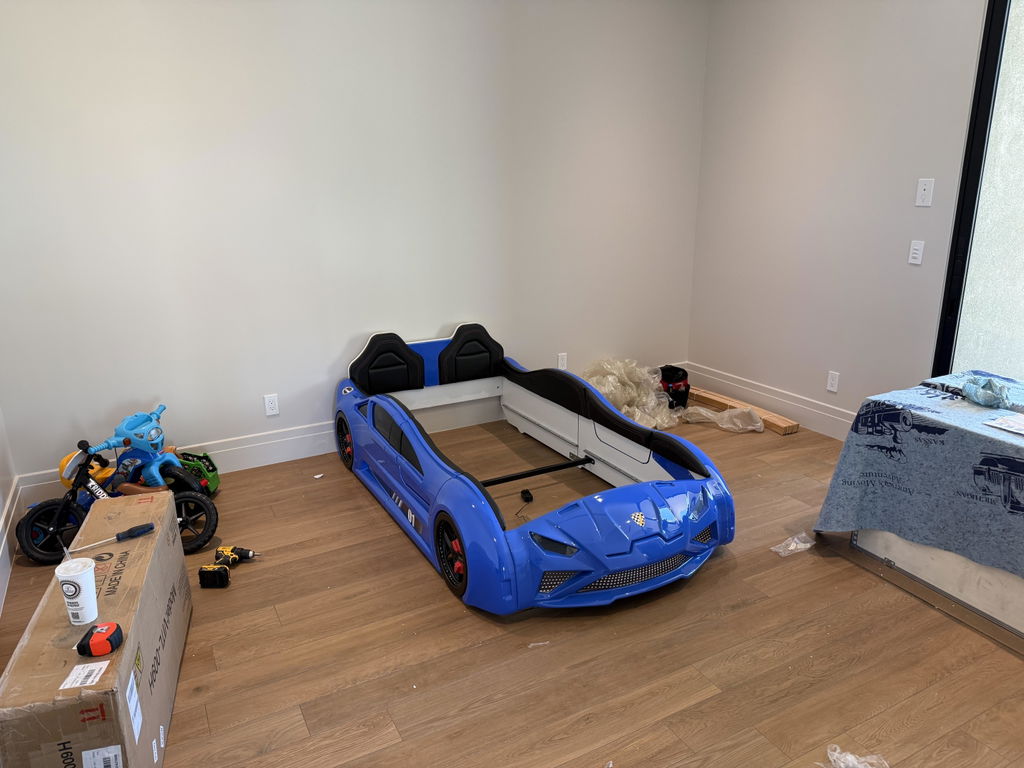
The transition to sleeping in their own bed can be even more challenging for toddlers who have a race car bed. Race car beds are often a favorite among children, with their fun design and exciting features, but it can be challenging to get them to switch to a regular bed. However, with some simple tips and techniques, you can help your child learn to sleep in their own bed, even if it's a race car bed.
Create a Sleep-Friendly Environment
Creating a sleep-friendly environment is the first step towards helping your toddler feel comfortable and secure in their own bed. Toddlers often find it challenging to fall asleep in a noisy, bright, or hot environment, which can result in them seeking the comfort of their parent's bed. By creating a calm and relaxing environment, you can encourage your child to sleep in their own bed and help them establish healthy sleep habits.
Atmosphere Control
Dimming the lights in your toddler's room signals that it's time to wind down. A soft nightlight alleviates fears of the dark, while a cool, well-ventilated room keeps them comfortable all night.
Quality Mattress
Ensure the mattress is comfortable and supportive. Many standard novelty beds come with thin padding. Upgrading to a specialized comfortable mattress guarantees deep, restorative sleep.
It's also essential to place the race car bed in a quiet corner of the room away from any distractions, such as toys or electronics. This can help minimize any stimulation that could keep your child from falling asleep. You can also use a white noise machine to help drown out any external noise that may disrupt your child's sleep.
💡 Key Takeaway: Creating a sleep-friendly environment is crucial for building healthy sleep habits. Keep the room dim, cool, and quiet, ensure proper mattress support, and position the bed away from active play zones.
Establish a Consistent Bedtime Routine
Establishing a consistent bedtime routine is crucial for helping your toddler learn to sleep in their own bed. A bedtime routine can help your child feel secure and calm before bed and signal to their body that it's time to wind down and prepare for sleep. For those who sleep in a race car bed, incorporating race car-themed books or toys into the bedtime routine can help your child associate their bed with comfort and relaxation.
A consistent bedtime routine should be established and followed every night. Consider including structured relaxation activities:
- Warm Bath & PJ Transition: Signals physical transition from play to rest.
- Hygiene Routine: Simple habits like brushing teeth build predictability.
- Bedtime Story: Incorporate racing or adventure books to build positive associations.
- Lullaby or Soft Sounds: Soothing audio helps drift off to sleep effortlessly.
It's important to keep the bedtime routine consistent and predictable to help your child feel secure and calm before bed. By establishing a consistent bedtime routine, you can help your child develop healthy sleep habits and make the transition to sleeping in their own bed easier and more enjoyable.
Use Positive Reinforcement
Positive reinforcement can be a powerful tool. Use sticker charts or small reward boxes for staying in bed all night. Keep rewards small, consistent, and celebrate milestones together.
Address Common Sleep Issues
Nightmares and bedwetting can disrupt progress. Reassure fears with calming deep-breathing exercises. For bedwetting, use a waterproof mattress protector, maintain patience, and encourage pre-bed bathroom stops.
Be Patient and Consistent
When it comes to helping toddlers sleep in their own bed, patience and consistency are key. This process can take time, and there may be setbacks along the way. However, by remaining patient and consistent, you can help your child develop good sleep habits and learn to feel comfortable and secure in their own bed.
It's important to establish clear rules and expectations around sleeping in their own bed and stick to them consistently. This can include establishing a consistent bedtime routine, using positive reinforcement, and addressing any common sleep problems that arise. It's also important to be patient and understanding, even when your child struggles to adjust to sleeping in their own bed.
In conclusion, helping toddlers learn to sleep in their own bed can be a challenge, but with the right approach, it can be a positive and rewarding experience for both you and your child. By creating a sleep-friendly environment, establishing a consistent bedtime routine, using positive reinforcement, addressing common sleep problems, and being patient and consistent, you can help your child sleep in their own bed, even if it's a race car bed.
Remember that this process can take time, and setbacks may occur, but with your support and encouragement, your child will eventually develop healthy sleep habits and learn to feel comfortable and secure in their own bed. With these tips in mind, you can help your child get the restful, rejuvenating sleep they need to grow and thrive.