Creating a toddler bedroom is all about balancing protection with discovery. As your child spends hours sleeping, playing, and learning in their personal space, thoughtful childproofing paired with a sensory-rich design will foster independence, safety, and endless imaginative play.
⚡ Golden Rule of Bedroom Design: Anchor heavy furniture first, childproof electrical zones, then layer in colorful, tactile elements that encourage independent play.
1. Essential Safety Considerations for Toddler Bedrooms
Childproofing is the critical foundation of any young child's bedroom setup:
- Anchor Furniture: Secure all dressers, bookcases, and heavy units firmly to the wall to eliminate tipping risks.
- Cover Electrical Outlets & Cords: Use safety outlet covers and keep loose cords neatly tucked or shortened behind furniture.
- Cordless Window Coverings: Choose cordless blinds to eliminate strangulation risks and ensure window locks function properly.
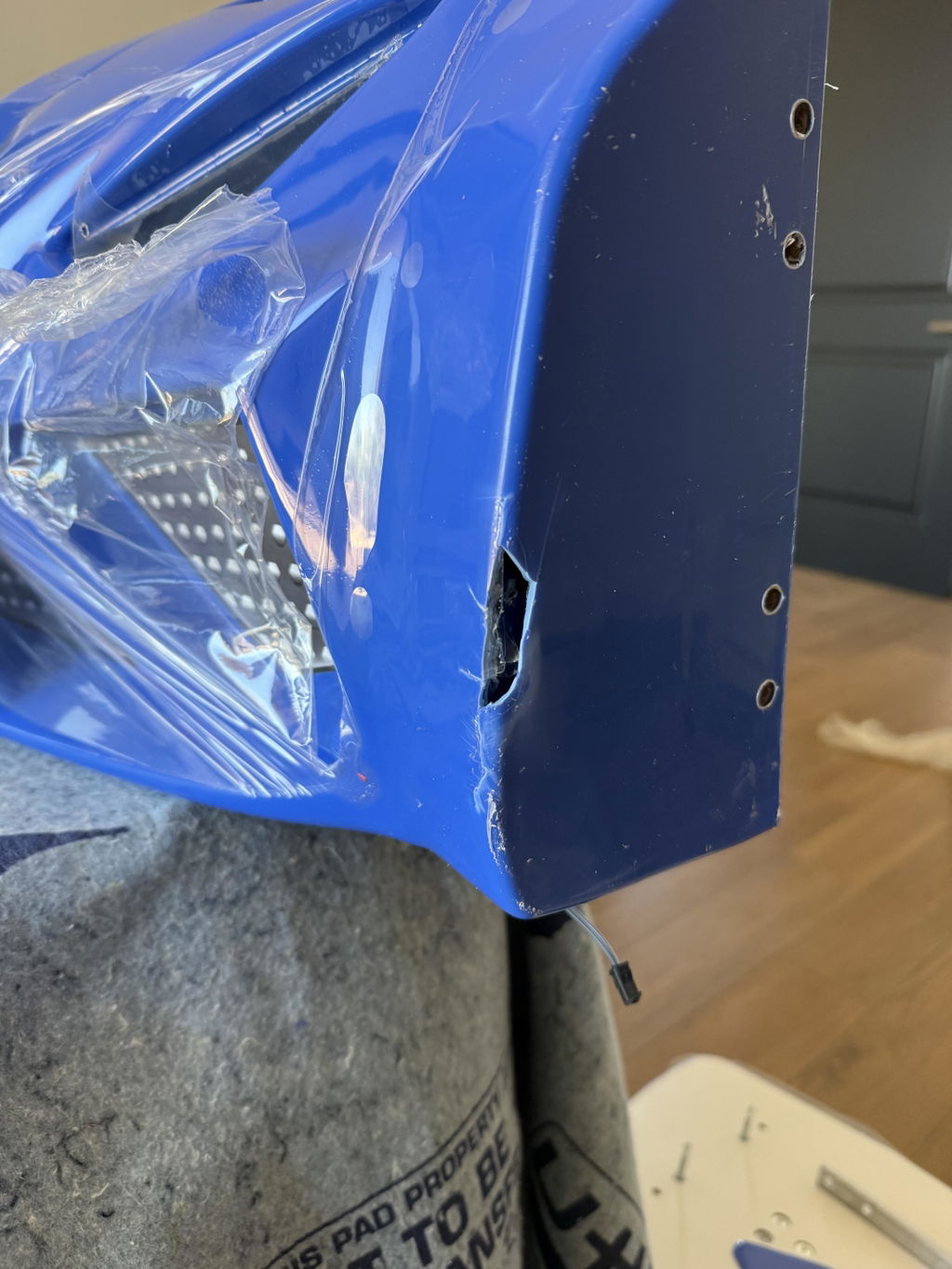
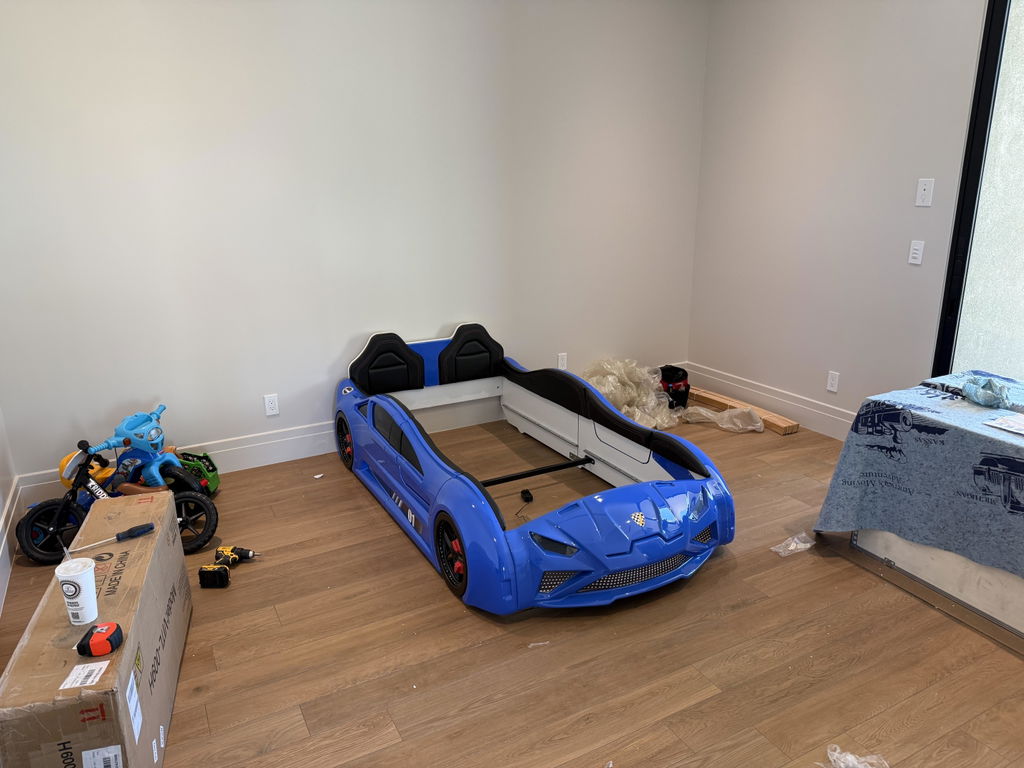
- Stable Bed Setup: Make sure your child's race car bed is anchored stably to the floor, age-appropriate, and easy to climb into safely.
- Eliminate Choking Hazards: Regularly inspect the room for small objects, loose toy parts, or items that belong out of reach.
2. Stimulating Your Toddler's Senses
Enriching your toddler's bedroom layout supports early cognitive and physical development (learn more about sensory routines):
- Bold Visuals: Use vibrant bedding, wall decals, and artwork featuring energetic reds, blues, and yellows.
- Tactile Textures: Combine plush rugs, fuzzy blankets, and smooth wooden toys for hands-on sensory exploration.
- Adjustable Lighting: Dimmable lights allow bright settings for daytime play and soft glows for calming night wind-downs.
- Soothing Sounds & Scents: Soft background lullabies and subtle calming scents like lavender foster relaxation.
- Interactive Toys & Artwork: Display educational puzzles alongside your child's drawings to boost self-esteem.
3. Encouraging Playtime & Creative Exploration
Your toddler's room should inspire movement, motor skills, and social growth:
Interactive Setup
Set up floor racetracks around the bed or introduce a sensory bin for tactile discovery during play hours.
Age-Appropriate Toys
Combine imaginative props (dolls, dress-ups) with cognitive toys like blocks and shape sorters.
Toy Rotation
Rotate stored toys every few weeks to keep play experiences fresh, engaging, and uncluttered.
4. Creating a Relaxing Environment for Sleep
Transitioning from active play to restful sleep requires a calm, predictable environment:
Consistent Sleep Schedule
Consistent sleep and wake times regulate body clocks, helping toddlers wake up refreshed and energized.
Peaceful Atmosphere
Pair supportive mattresses and soft sheets with white noise to block background sounds for uninterrupted rest.
🏁 Summary: By merging childproof safety measures with rich sensory features, you build a space your child will love playing in during the day and sleeping in at night!