Creating a well-equipped child's bedroom is essential for fostering comfort, creativity, and organization. A thoughtfully designed space does double duty: it provides a peaceful sanctuary for rest and doubles as an inspiring hub for play, study, and imagination.
Key Design Considerations:
- Importance of Essentials: Quality core furniture forms the foundation of a functional, long-lasting space.
- Personalized Design: Tailoring the room to your child's personality builds a stronger connection to their space.
1. A Quality Bed: Foundation of Comfort and Play

Selecting the right bed is crucial for ensuring a comfortable and safe sleeping environment. The ideal bed supports healthy, restful sleep while anchor-styling the entire room.
Types of Beds
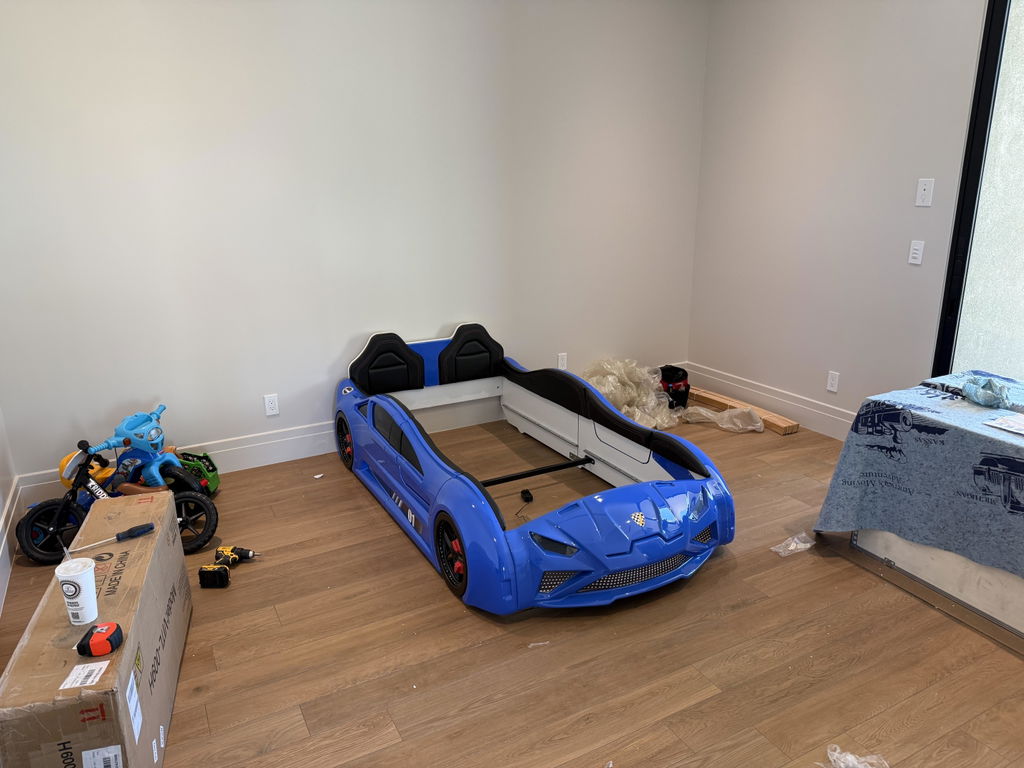
- Race Car Beds: Ideal for young enthusiasts, these themed beds from RaceCarBeds.com transform bedtime into an exciting experience.
- Trundle & Bunk Beds: Excellent space-savers designed for shared bedrooms or sleepovers.
- Frames: Compare metal for sleek durability versus wooden frames for classic warmth.
Safety & Sizing
- Safety First: Look for rounded edges and sturdy construction to withstand active daily use.
- Sizing Options: Twin beds are perfect for younger children, while full size beds accommodate growing kids.
2. Cozy Bedding Essentials
Sleep quality directly impacts growth and daily mood. Invest in soft, breathable bedding layers to transform the bed into an inviting retreat:
- Quality Fabrics: Choose organic cotton bedding from reliable brands like Boll & Branch for maximum softness and durability.
- Layered Blankets: Add cozy plush blankets for extra warmth during colder months and a sense of security.
3. Smart Toy Bins & Theme Dressers

An organized room promotes calm and independence. Incorporate practical storage items to help children take pride in keeping their space clean:
- Colorful Bins: Make sorting toys fast and easy while adding a pop of color.
- Theme Dressers: Sturdy dressers neatly hide away clothes while matching room decor.
4. Accessible Closet Organizers & Wall Hooks
Empower your children to manage their own belongings by keeping everyday items within arm's reach:
- Wall Hooks: Hang backpacks, jackets, and hats to keep floor space clear.
- Closet Organizers: Add low shelves and hanging rods so kids can easily reach their own clothes.
5. A Dedicated Study Area

A designated study area encourages focus, homework efficiency, and artistic expression.
Desk Options to Consider:
- DIY Desks: Reconfigure simple tops or upcycled tables for an affordable customized setup.
- Floating Desks & Shelves: Excellent for saving floor space in smaller rooms.
6. Ergonomic Seating
Pairing a desk with appropriate seating keeps study sessions comfortable and healthy for growing spines:
- Adjustable Chairs: Support healthy posture during reading or homework sessions.
- Relaxing Seating: Add a beanbag, pouf, or cozy armchair to create an inviting reading nook. Lightweight options allow kids to easily reconfigure their layout.
7. Versatile & Layered Lighting

Proper lighting supports everything from nighttime reading to creative artwork:
- Task Lighting: Focused desk lamps facilitate homework and reading without straining eyes.
- Ambient Lighting: Combine overhead lights with dimmable ambient lamps or nightlights to help kids wind down gently before bedtime.
8. Creative Decor & Book Display Shelves
Personalizing room decor elevates comfort while encouraging reading and creative thinking:
- Vibrant Wall Art: Frame favorite characters, themed wallpaper, or family gallery displays to cultivate warmth and belonging.
- Promoting Reading Habits: Display books on low shelves at eye level, grouped visually by color or held neatly with styled bookends to make reading irresistible.
9. Soft Plush Rugs

Floor space is where much of a child's play happens. High-quality area rugs cushion playtime falls, reduce noise, and add physical warmth to hard flooring surfaces.
10. Routine Helpers & Laundry Baskets
Incorporate small functional tools to teach daily habits and organizational skills:
- Laundry Baskets: Keep floors clear by placing accessible hampers for daily clothes.
- Routine Helpers: Add a clear visual clock for managing schedules and an essential oil diffuser for soothing bedtime aromatherapy.
Conclusion
Designing a fun, functional, and organized child's bedroom doesn't have to be overwhelming. By prioritizing core essentials from supportive themed beds and smart storage to creative study nooks and cozy decor you create a space that evolves with your child while supporting their rest, growth, and everyday play.